
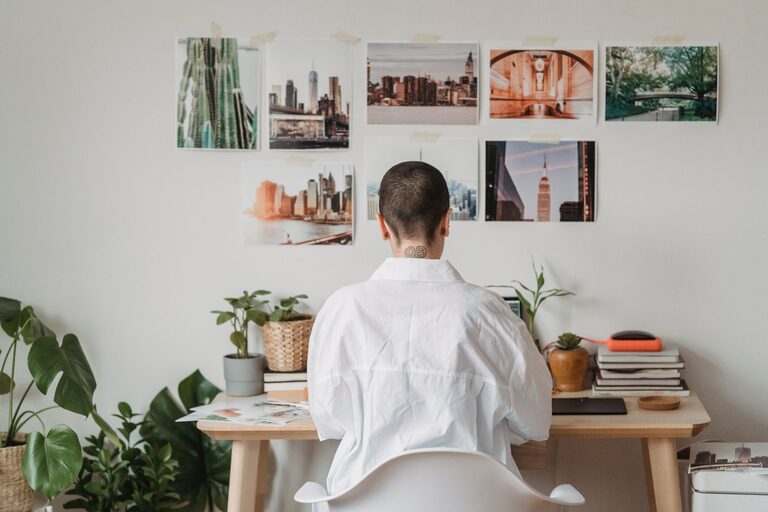
Creating a relaxing home workspace is essential for anyone working from home or spending time on personal projects. A well-designed space can boost productivity, reduce stress, and improve overall well-being. Whether you have a dedicated room or just a small corner, these tips will help you transform your area into a calm and inviting place to work.
Why a Relaxing Workspace Matters
Your environment greatly affects your mood and focus. A cluttered or uncomfortable space can lead to distractions or stress. By designing a workspace that feels peaceful and organized, you set the stage for clearer thinking and creative energy.
Choosing the Right Spot
Consider Natural Light
Try to position your workspace near a window if possible. Natural light is proven to enhance mood and reduce eye strain. If natural light is limited, opt for soft, adjustable artificial lighting that mimics daylight.
Minimize Noise
Look for a quiet area in your home or consider noise-canceling headphones if external sounds are an issue. A calm environment helps you concentrate better and keeps your mind relaxed.
Furniture and Layout
Ergonomic Chair and Desk
Invest in a comfortable chair that supports good posture and a desk at the right height. Your comfort prevents physical strain, allowing you to work longer without discomfort.
Keep It Simple
Avoid crowding your space with too much furniture or decor. A clutter-free layout makes your workspace feel bigger and less chaotic.
Organizing Your Workspace
Declutter Regularly
Clear away unnecessary items and only keep essentials on your desk. Use drawers, shelves, or storage bins to organize supplies and documents.
Use Trays and Holders
Desk organizers help keep pens, paper, and other items tidy. This reduces visual clutter and helps you stay focused.
Adding Relaxing Elements
Incorporate Plants
Greenery not only beautifies your workspace but also improves air quality and promotes a sense of calm. Easy-to-care-for plants like succulents or spider plants are great choices.
Personal Touches
Add a few personal items such as photos, artwork, or meaningful objects, but keep it minimal. These touches can make the space feel welcoming and inspire you.
Soothing Colors
Choose soft, neutral colors or pastels for your walls and accessories. These shades tend to have a calming effect and prevent overstimulation.
Technology Tips
Manage Cables
Use cable organizers or clips to keep cords neat and out of the way. This helps you maintain a cleaner, more peaceful space.
Choose Proper Lighting for Screens
Use adjustable monitors and consider blue light filters to reduce eye fatigue. Position screens to avoid glare from windows or lights.
Creating a Routine
Take Breaks
Set reminders to stand up, stretch, or walk around. Regular breaks prevent burnout and refresh your mind.
Keep the Area for Work Only
Try to use your workspace just for working or creative tasks. This helps your brain associate the area with focus and relaxation, making it easier to switch into “work mode.”
Final Thoughts
Setting up a relaxing home workspace doesn’t require a big budget or a lot of space, just thoughtful choices. By focusing on comfort, organization, and a calm atmosphere, you can create a personal area that supports your productivity and well-being every day.
With these tips, your home workspace can become a place you look forward to spending time in—a perfect balance of relaxation and efficiency.