Creating a productive home office space is essential for anyone who works from home or frequently needs a quiet area to focus. A thoughtfully arranged workspace can enhance your efficiency, improve your mood, and help maintain a healthy work-life balance. Whether you have a dedicated room or a small corner, these tips will help you set up an environment where you can work comfortably and effectively.
Choose the Right Location
Consider Natural Light
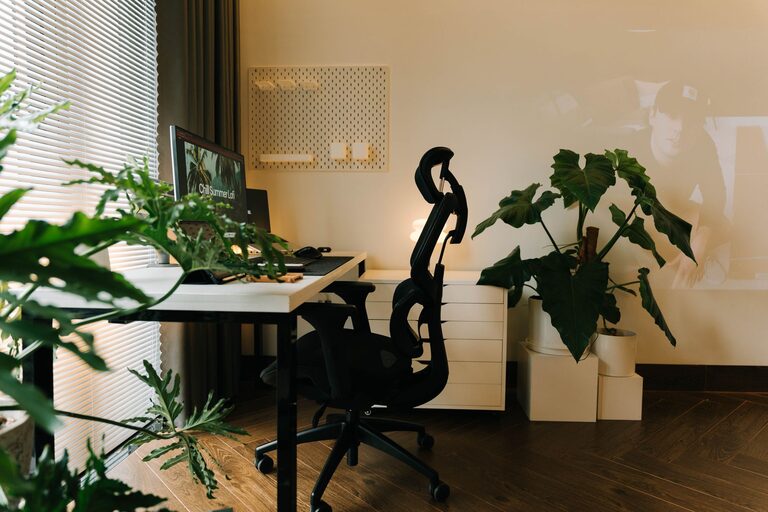
Natural light has been shown to improve concentration and energy levels. Try to position your desk near a window if possible. This not only brightens your workspace but also gives you a pleasant view and can help regulate your natural circadian rhythms.
Minimize Distractions
Pick a spot away from high-traffic areas in your home. Avoid noisy rooms or places where family members or roommates often gather. If space is limited, use room dividers or noise-cancelling headphones to create boundaries.
Invest in Comfortable and Functional Furniture
Ergonomic Chair and Desk
Comfort is key for long hours of work. Select an ergonomic chair with proper lumbar support to prevent back pain. Your desk should be the right height so your arms rest comfortably at about a 90-degree angle while typing.
Desk Layout
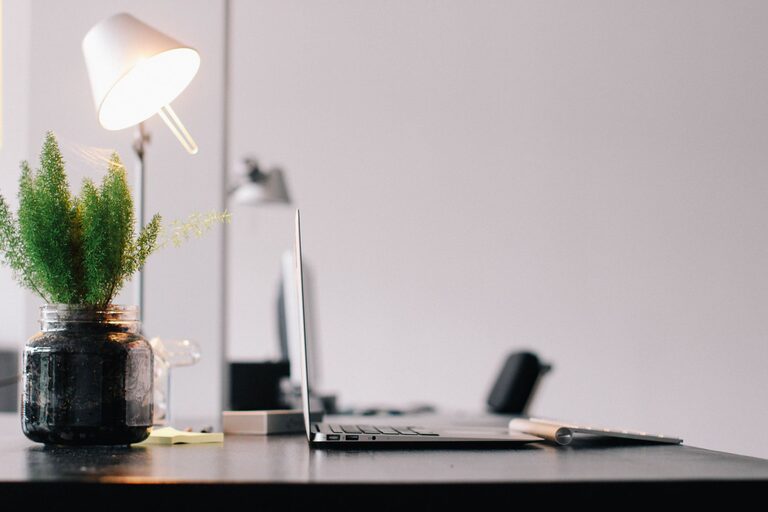
Keep your desk organized with just the essentials. Use trays, pen holders, or drawer organizers to avoid clutter and make your workspace inviting.
Additional Furniture
Depending on your needs, consider a filing cabinet, a bookshelf, or a small table for extra storage. Keeping everything within reach reduces interruptions and helps you stay focused.
Optimize Your Technology Setup
Reliable Internet and Equipment
Ensure your internet connection is stable and fast enough for your work tasks. Invest in quality equipment like a good monitor, keyboard, mouse, and possibly a headset to improve your workflow.
Cable Management
Tidy cables not only look better but also prevent accidents. Use cable clips or sleeves to keep cords organized and out of the way.
Personalize Your Space
Add Plants
Indoor plants improve air quality and create a calming atmosphere. Choose low-maintenance varieties such as succulents or peace lilies to brighten your desk without demanding too much care.
Use Inspiring Decor
Incorporate artwork, photos, or motivational quotes that energize you. However, keep decorations minimal to avoid distractions.
Control Temperature and Lighting
Use a desk lamp with adjustable brightness to reduce eye strain, especially during evening hours. Ensure your room is well-ventilated and maintain a comfortable temperature to stay alert.
Establish Organization Systems
Use Storage Solutions
Invest in shelves, bins, or wall organizers to store papers and supplies neatly. When everything has a place, it’s easier to stay tidy and find what you need quickly.
Maintain a Daily Routine
Start each day by setting goals and reviewing your to-do list. Ending your workday by tidying your desk can help you mentally separate work from personal time.
Set Boundaries to Support Focus
Define Work Hours
Having set times for working helps you stick to your schedule and avoid burnout. Communicate your availability to family or housemates so they respect your work time.
Take Regular Breaks
Short breaks improve concentration and reduce fatigue. Step away from your computer every hour to stretch, get fresh air, or hydrate.
Final Thoughts
Designing a productive home office isn’t only about aesthetics—it’s about creating an environment that supports your workflow and well-being. By choosing the right location, investing in ergonomic furniture, organizing effectively, and setting clear boundaries, you can transform any space into a functional and enjoyable workspace. Remember, a well-designed home office can make your workdays smoother, helping you achieve your goals with greater ease.